Planning a procedure in Nashville or anywhere in Middle Tennessee? Your choice of plastic surgeon and where your surgery happens matter as much as the procedure itself. Credentials, facility standards, and anesthesia safety all play a role in outcomes.
Use this blog as your safety-first guide to verify board certification, confirm that the operating site meets national standards, understand who manages your anesthesia, and recognize warning signs during a consultation.
1. Verify True Plastic-Surgery Board Certification
“Board-certified” can mean many different things. For cosmetic or reconstructive procedures, look specifically for certification by the American Board of Plastic Surgery (ABPS), the plastic-surgery board recognized by the American Board of Medical Specialties (ABMS). You can check a surgeon’s status in minutes using the ABPS website or the ABMS’s certification verification tool. The American Society of Plastic Surgeons (ASPS) also reminds patients not to be confused by other official-sounding boards. For example, there is no ABMS board with “cosmetic surgery” in its name.
How to check:
You can search the ABPS directory by name or location, and confirm the same physician on the ABMS certification page noted above. Look for consistency across both websites to validate plastic surgery credentials.
2. Confirm the Facility Is Properly Accredited
Ask where your surgery will take place and whether that site is accredited. Accreditation means an independent organization audits the operating room for equipment, staffing, emergency readiness, and safety protocols. The ASPS recommends having plastic surgery in an accredited facility, a state-licensed center, a Medicare-certified center, or a hospital. Common national accreditors include QUAD A (formerly the American Association for the Accreditation of Ambulatory Plastic Surgery Facilities or AAAASF), the Accreditation Association for Ambulatory Health Care (AAAHC), and The Joint Commission.
Tennessee-specific tip: If you are considering office-based procedures with deeper sedation or general anesthesia (Level III), the Tennessee Department of Health publishes a list of physician offices certified for Level III surgery. During your consultation with your plastic surgeon, ask if the practice appears on the state’s list before you book.
3. Understand Anesthesia and Who Provides It
Safety depends on who administers your anesthesia and how you are monitored. The American Society of Anesthesiologists (ASA) publishes the Standards for Basic Anesthetic Monitoring and also describes the physician-led Anesthesia Care Team (ACT) model used in many settings.
During your consultation, ask who will manage your anesthesia (MD anesthesiologist, CRNA, or a team), what level of anesthesia is planned, how you’ll be monitored, and what the facility’s emergency plan includes (crash cart, transfer agreements, and hospital privileges).
4. Make the Most of Your Consultation With the Plastic Surgeon
A high-quality consultation with a plastic surgeon should feel thorough and unhurried. Expect a discussion of your goals, a review of your medical history and medications/supplements, an exam with measurements, and a personalized plan that explains risks, recovery, and realistic outcomes.
The ASPS provides a helpful list of questions about ABPS certification, hospital privileges, facility accreditation, case volume, and recovery timeline that you can bring to your appointment. Do not be afraid to meet with more than one plastic surgeon to get multiple opinions. If you are comparing options, this article covers how many consults to schedule and how to prepare.
5. Red Flags to Take Seriously
When choosing a plastic surgeon, trust your instincts and give yourself time to check credentials. Be wary of a surgeon who claims to be a “board-certified cosmetic surgeon” but cannot show ABPS/ABMS plastic-surgery certification. If a procedure is performed outside an accredited or licensed OR, or if a consult minimizes risks or rushes you to schedule, you may want to hit the pause button. ASPS specifically cautions patients about confusing, non-ABMS boards and reinforces the safety benefits of accredited facilities.
6. Local Due Diligence for Nashville / Middle Tennessee
Doing your homework on the front end can add peace of mind that your plastic surgeon is properly credentialed and qualified to perform your procedure. Verify the surgeon’s Tennessee medical license through the state’s official portal. If your surgery is planned in an office setting with deeper sedation or general anesthesia, confirm the site appears on Tennessee’s Level III office-based surgery list. These public resources are quick to search and easy to document for your records.
Meet Green Hills Plastic Surgery
If you are seeking a board-certified plastic surgeon with deep roots in Nashville, get to know our practice, Green Hills Plastic Surgery.
Meet Dr. Stephen M. Davis: Dr. Davis is a board-certified plastic surgeon specializing in cosmetic surgery and aesthetic procedures such as breast enhancement, body contouring, facial plastic surgery, and non-surgical cosmetic treatments. He is compassionate and results-driven, which are just some of the reasons why his patients recognize him as a top plastic surgeon in Nashville.
Awards and Recognitions: Dr. Davis was voted one of Nashville’s Top Doctors by Nashville Lifestyles magazine and as one of the best doctors in the country by Castle Connolly (a physician-led team of researchers) and by U.S. News & World Report. He was also voted one of the best plastic surgeons in Nashville by The Tennessean.
If you are considering breast augmentation, a facelift, liposuction, or other procedure, contact us to schedule a consultation for straight answers tailored to you and your goals. Call us at 615-327-7407 or visit us online to schedule your consultation.
This article is educational and not medical advice. An in-person consultation with a qualified, board-certified plastic surgeon is the best way to determine candidacy and plan your procedure safely.
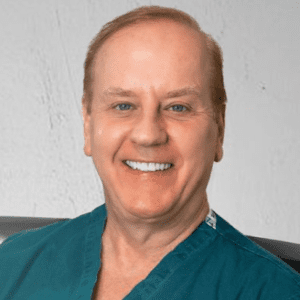
Author: Dr. Stephen M. Davis
Board-certified plastic surgeon Dr. Stephen M. Davis and his experienced team are committed to total patient satisfaction and excellent results. Green Hills Plastic Surgery first opened its doors in Nashville, TN in 1998 and continues to provide patients with time-honored plastic surgery procedures at TriStar Centennial Medical Center.