Even with great healthy habits (staying out of the sun, exercise, good nutrition) and the latest advancements in skincare (higher SPF sunscreens, retinoids, etc.), the aging process catches up with all of us eventually. Hence, the popularity of the facelift, which is one of the most commonly requested procedures at Green Hills Plastic Surgery in Nashville.
But when is a facelift the best option for facial rejuvenation? Would a “facelift alternative” do the trick? In this blog, we’ll look at some of the most common concerns that women (and men) have about their appearance and aging, and whether a facelift or a facelift alternative (BOTOX®, lasers, dermal fillers, etc.) is a better option.
Most Common Reasons for Facelifts and Alternatives
Not every concern needs surgery, and not every concern can be solved without it. Making the choice between a facelift and a non-surgical alternative is entirely dependent on each patient’s unique situation and goals. Because every case is different, it’s important to schedule a consultation with a board-certified plastic surgeon to discuss your concerns and goals, so your surgeon can tailor a plan for your needs.
Below are some of the most common reasons people come to plastic surgeons for facelifts and/or alternatives from the American Society of Plastic Surgeons (ASPS) and other medical professionals (linked below), along with the most common tools to address them.
- Jowls (soft jawline): This is most reliably improved by a facelift/neck lift. Non-surgical fillers can camouflage shadows, but they don’t lift the descended tissues required to really address the issue.
- Deep fold lines: Facelift techniques such as SMAS (less invasive surgery) or a deep plane (more invasive surgery) can reposition support layers. Additionally, non-surgical fillers can restore volume, but they cannot restore ligament support.
- Neck bands and/or loose neck skin: This issue is best addressed with a “neck lift” (platysmaplasty) that is essentially a variation of a facelift surgical procedure. Neuromodulators (like BOTOX®) can soften bands temporarily, but are not a long-term solution.
- Fine lines, texture, sun damage, enlarged pores: These concerns can often be addressed with non-surgical methods, such as laser resurfacing and other skin treatments. However, while these non-surgical treatments are great for surface quality, they don’t provide a true “lift” (can’t fix sagging skin).
Facelift Basics: The Mini vs. a Traditional Facelift
A facelift (rhytidectomy) improves visible signs of aging in the lower face and neck, including jowls, deepened folds, lax neck skin, and fat descent. A facelift repositions deeper tissues (not just the skin), then removes excess skin for a natural, supported result.
There are two main types of facelifts, and what separates them from each other is which parts of the face they target. These are the mini-lift and the traditional facelift.
- Mini-lift: This is also known as a SMAS facelift because it tightens/repositions the SMAS layer (a support layer under the skin). A mini-facelift is best for those who have minimal skin sagging and the beginning signs of jowl development and creasing. The mini-lift is less invasive and requires smaller incisions.
- Traditional facelift: This works beneath the SMAS and releases retaining ligaments to move descended tissues as a unit. The traditional facelift is best for those with moderate to advanced signs of aging on the mid-face and neck areas. It is more extensive than a mini-lift, but it also provides the most dramatic results.
Safety first: Before scheduling a facelift, it is important to choose a board-certified surgeon operating in an accredited facility. Review any risks and expectations during an initial consultation with your plastic surgeon.
The “Alternatives”: What They Do (and Don’t)
Neuromodulators (BOTOX®, etc.)
Do: Neuromodulators like BOTOX® temporarily relax specific facial muscles to soften fine lines and wrinkles in the forehead and around the eyes.
Don’t: Lift or reposition tissues.
Downtime and side effects: There is typically no downtime or recovery time for botulinum toxin injections.
Lasers / Skin Resurfacing
Do: Lasers can target pigment, redness, texture, or fine lines using laser or intense pulsed light (IPL). Non-ablative treatments typically spare the skin surface, so social downtime is short. Whereas ablative resurfacing (e.g., some CO₂) works deeper and needs more recovery, but can have more long-lasting results.
Don’t: Fix sagging/jowls; that’s surgical territory.
Downtime and side effects: With non-ablative treatments, you may experience redness or “sunburn-like” warmth for hours to a few days. With ablative lasers, expect up to one to two weeks of more intensive recovery (soaks/ointments) depending on device and settings.
Dermal Fillers
Do: These procedures are designed to restore or add volume (cheeks, lips), refine contours, and soften folds.
Don’t: Dermal fillers cannot lift descended tissues or tighten lax skin.
Downtime and side effects: Patients generally see improvement right away and can continue to see improvement over the next few weeks. Expect swelling or bruising for a few days after the procedure, sometimes up to a week.
Weighing the Pros and Cons
Facelift (Surgical)
A facelift (with or without a neck lift) requires the longest downtime up front, but it offers a more comprehensive improvement for the jowls and neck. Many patients view it as a one-and-done category with long-term value compared to multiple “maintenance” visits (non-surgical procedures). Your surgeon can personalize expectations.
Facelift Alternatives (Non-Surgical)
Fillers, BOTOX®, and lasers can lower downtime per visit, but require recurring visits to maintain results. These non-surgical procedures are great for surface quality and volume — and for patients not ready for surgery. Plan on repeat sessions (e.g., Botox 3 to 4 times a year, fillers every 12 to 18 months, and resurfacing per skin goals).
Green Hills Plastic Surgery Can Help You Decide If a Facelift or an Alternative Is Best for You
Ready for straight talk tailored to your face, not a trend? Explore our facelift approach, non-surgical alternatives (some of which can enhance a surgical procedure), and then schedule a consultation to meet one-on-one with your plastic surgeon to create your plan.
Meet Dr. Davis, your plastic surgeon: For more than 24 years, Dr. Stephen M. Davis and his team have been helping men and women throughout Nashville look and feel their best. His extensive training, detailed artistry, and attentive care create a one-of-a-kind experience for each one of his patients.
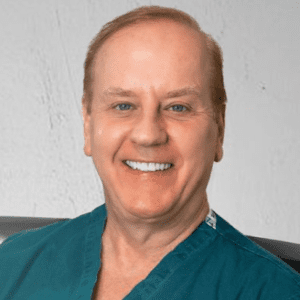
Author: Dr. Stephen M. Davis
Board-certified plastic surgeon Dr. Stephen M. Davis and his experienced team are committed to total patient satisfaction and excellent results. Green Hills Plastic Surgery first opened its doors in Nashville, TN in 1998 and continues to provide patients with time-honored plastic surgery procedures at TriStar Centennial Medical Center.